The most important performance enhancer is free — you just have to do it right.
🛏️
Sleep Hygiene Basics
Cool room (65°F), pitch dark, consistent times, no screens 1hr before bed. These basics beat any supplement.
FoundationFree
🧪
Sleep Stack
Magnesium glycinate 400mg + glycine 3g + L-theanine 200mg. Taken 30-60 min before bed for deep, restorative sleep.
StackProven
☕
Caffeine Cutoff
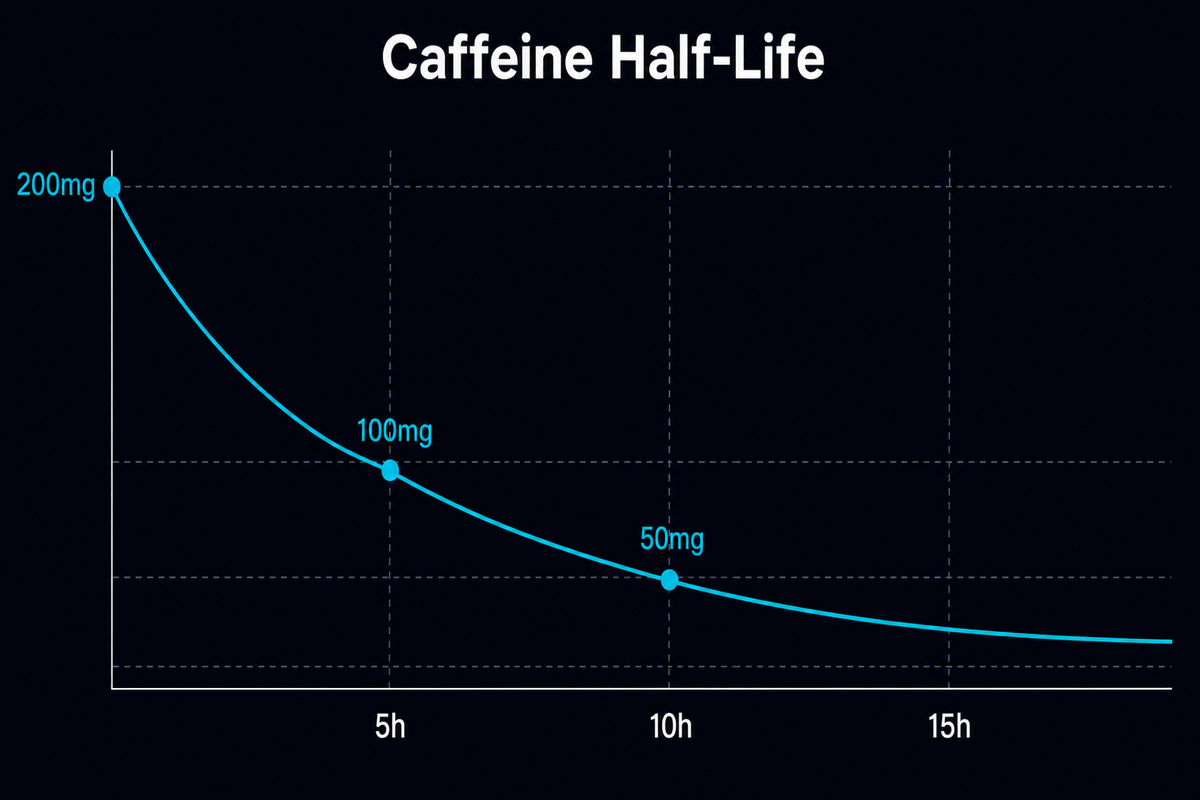
Half-life is 5-6 hours. Last caffeine by 2pm (or 10+ hours before bed). Even if you can fall asleep, caffeine reduces deep sleep quality.
CriticalRule
📊
Track Your Sleep
Use a sleep tracker (Oura, Whoop, Apple Watch). What gets measured gets optimized. Focus on deep sleep and REM percentages.
DataOptimize
Recovery
Active Recovery
Strategic rest between stimulant cycles for sustained long-term performance.
🔄
Stimulant Cycling
5 days on, 2 days off. Take weekends off caffeine. Monthly full reset week. Prevents tolerance and maintains effectiveness.
CyclingEssential
🧘
Rest Day Protocol
On off-days: adaptogenic tea, light walking, yoga, and sleep in. Let your receptors recover without reaching for stimulants.
Off-DayProtocol
🥗
Recovery Nutrition
Extra protein, omega-3s, antioxidants, and hydration on rest days. Your body repairs when you give it the building blocks.
NutritionSupport
Sleep Stages
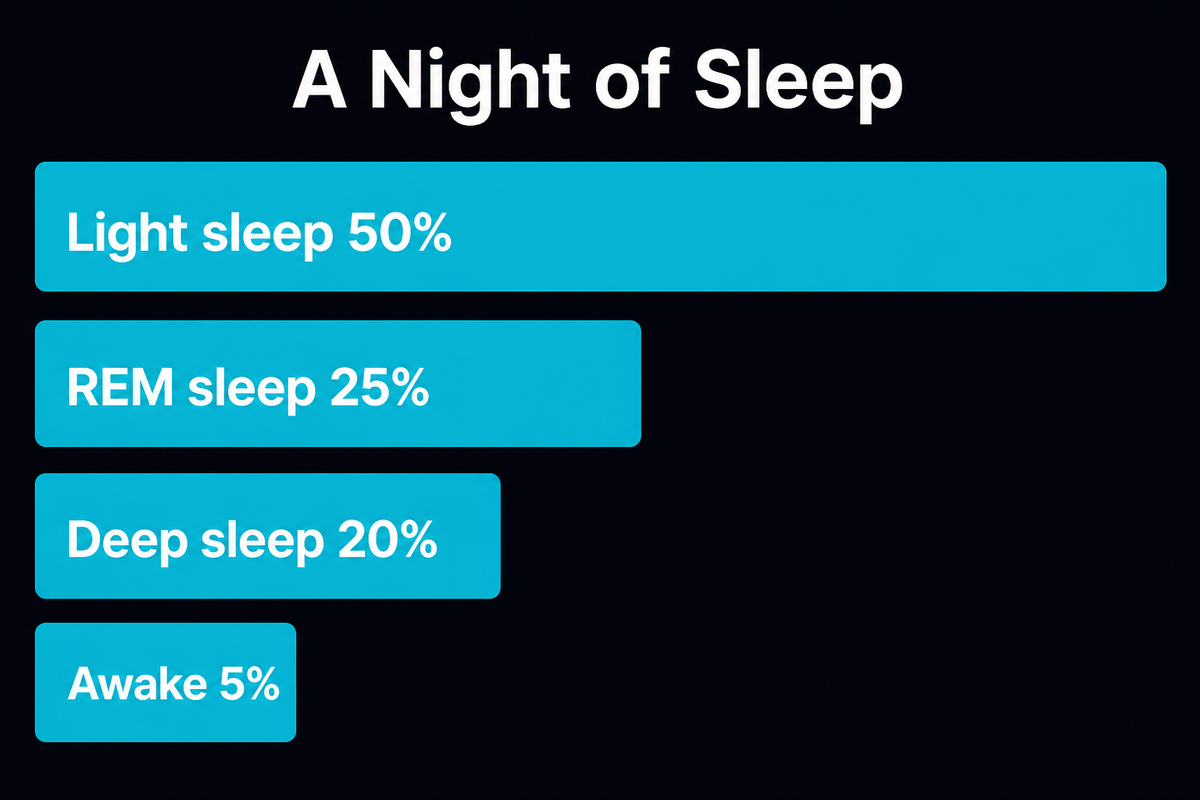
What a Night of Sleep Looks Like
A healthy adult night is not one flat state. You cycle through light, deep, and REM sleep about every 90 minutes, and caffeine late in the day cuts into the deep and REM shares first.
Typical adult sleep architecture across a full night, by share of total sleep time.
Approximate shares for healthy adults; proportions shift with age, alcohol, and late caffeine.
FAQ
Frequently Asked Questions
Free Tool
Caffeine Cutoff Calculator
Caffeine has a half-life of about 5 hours, so half of your last coffee is still in your blood 5 hours later. Enter your bedtime and your usual dose, and this calculator shows the latest time you can drink caffeine and still be near a sleep-safe 50 mg at lights out.
Method: residual caffeine follows exponential decay, dose × 0.5^(hours ÷ half-life). The 50 mg sleep threshold and ~5h average half-life come from published caffeine pharmacokinetics; individual half-life ranges from about 2 to 9 hours. Educational tool, not medical advice.
Caffeine decays exponentially: about half of your dose is still active 5 hours after drinking it.